
Milas
In ancient Mylasa: Baltalı Kapı, the Gümüşkesen tomb, Uzunyuva's monumental Hekatomneion and the mountain road to Labraunda.
 Photograph unavailable
Muğla · Urban layers of Mylasa
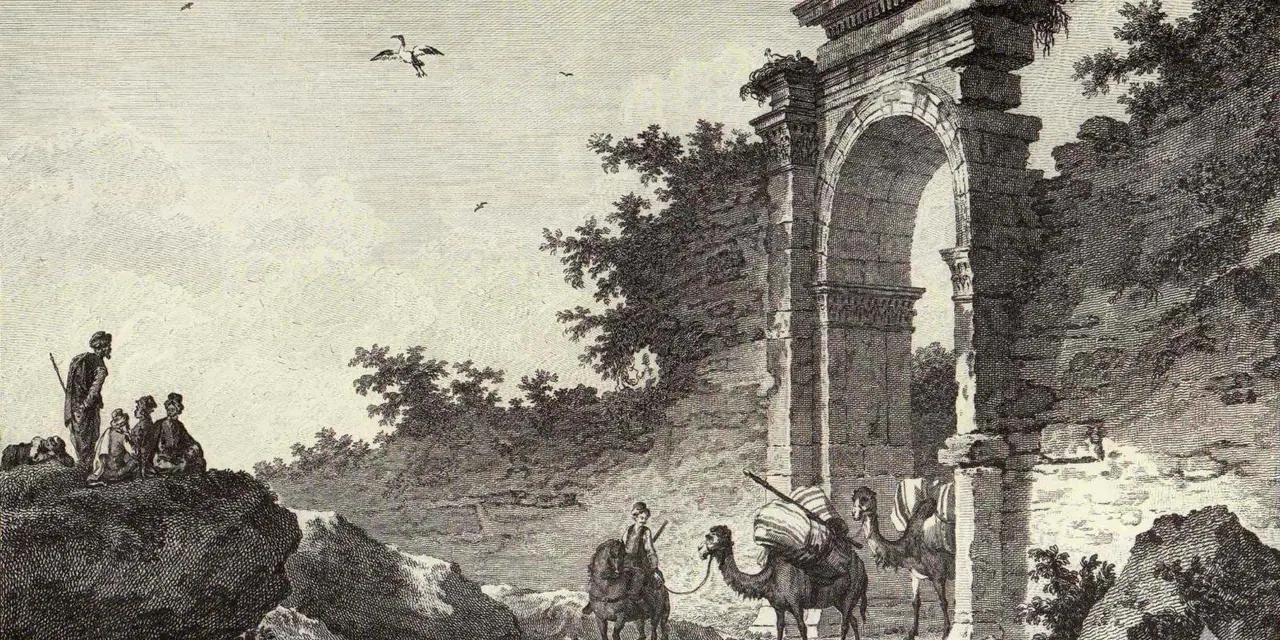
Baltalı Kapı from Mylasa's ancient walls
The sole standing gateway from Mylasa's ancient fortifications, Baltalı Kapı derives its name from the double-headed axe (labrys) carved upon its keystone. Later repurposed into a Roman aqueduct arch, it embodies ancient Mylasa's architectural ingenuity and its connection to the Carian mountains.
Uzunyuva and the Tomb of Hekatomnos
Unearthed on Uzunyuva Hill, the Tomb of Hekatomnos is one of classical archaeology's most sensational recent discoveries. Built for the father of Mausolus, its colossal stepped podium and exquisitely carved marble sarcophagus served as the architectural prototype for the Mausoleum of Halicarnassus.
Gümüşkesen and Carian craftsmanship
On the slopes of Milas, the 2nd-century CE Gümüşkesen Roman Tomb features a pyramidal tiered roof and fluted columns, evoking a miniature echo of the Halicarnassus Mausoleum. Cut from the white quarries of Mount Sodra, it testifies to millennia of extraordinary stonecutters.
The Sacred Way and living streets
Milas is the beating historic heart of Caria, boasting Ottoman timber mansions, vistas toward Beçin Castle and the 14-kilometre ancient Sacred Way leading up into Labraunda. Adjoining Euromos, its markets keep living crafts alive.
Caria's marble capital
With Baltalı Kapı, the sensational Uzunyuva tomb of Hekatomnos, Gümüşkesen and ancient stone highways linking Beçin and Labraunda, Milas stands as the foundational capital of Carian civilisation.
Connected stops
Stories that include this stop
Sources
Frequently asked questions
Where is Milas?
Milas is presented in this guide as a urban layers of mylasa in Muğla.
How can I find sources for Milas?
The Sources section links to the evidence supporting this dossier.