
Beçin
Above the Milas Plain: a medieval city reaching from ancient traces to a Menteşe capital.
 Photograph unavailable
Muğla · Medieval city
A natural fortress above the plain
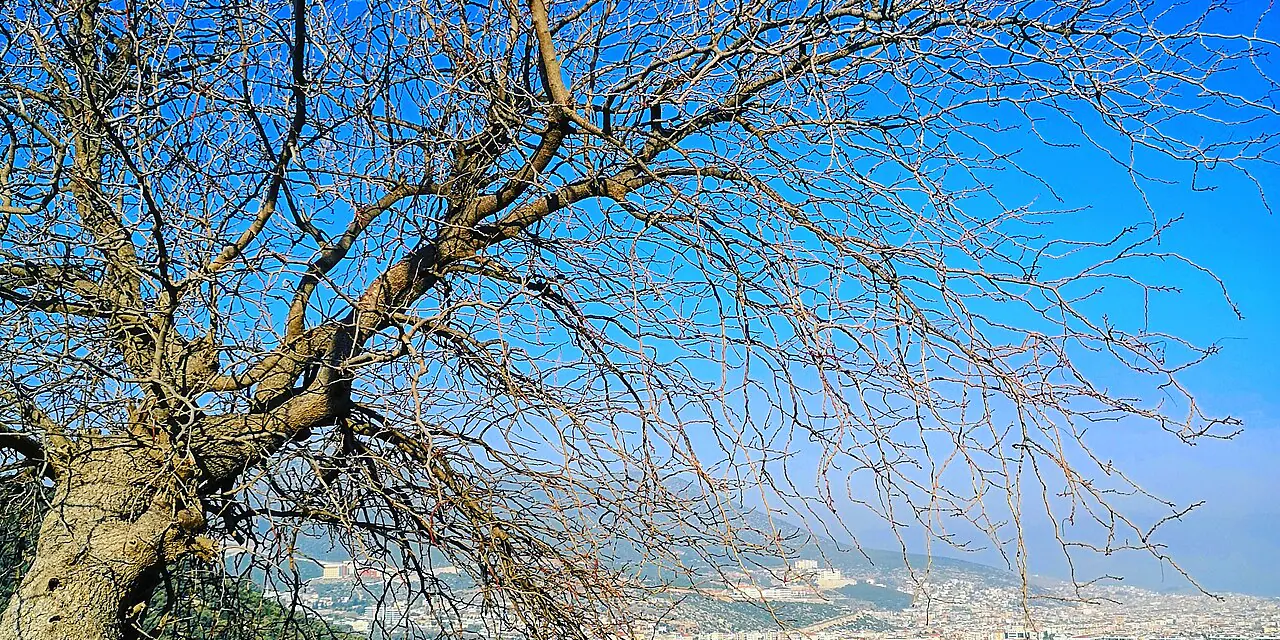
Rising 200 metres sheer above the fertile Milas Plain on a natural limestone plateau, Beçin commanded caravan routes and agricultural plains as a formidable medieval bastion.
Capital of the Menteşe Beylik
Serving as capital of the Menteşe Beylik in the 14th century, Beçin flourished under Emir Ahmet Gazi, who built the monumental madrasa, grand mosque, hamams and caravanserai.
From the Chalcolithic to a princely city
Chalcolithic finds, Carian foundations and Byzantine bastions attest to millennia of continuous settlement, highlighted by the discovery of a famous hoard of 60,000 medieval silver coins.
Medieval city on the UNESCO Tentative List
On UNESCO's Tentative List, Beçin's preserved madrasa, stone ramparts and panoramic vistas over the plain complement travels through Milas, Labraunda and Euromos.
Princely capital above the Milas Plain
Perched atop a rugged bluff commanding the Milas Plain, Beçin Castle showcases the 14th-century architectural splendour of the Menteşe Beylik with Ahmet Gazi Madrasa, domed mausoleums and vaulted cisterns. Clustered with Milas, Labraunda and Euromos, it forms one of the richest medieval and antique trails in Caria.
Connected stops
Sources
Frequently asked questions
Where is Beçin?
Beçin is presented in this guide as a medieval city in Muğla.
How can I find sources for Beçin?
The Sources section links to the evidence supporting this dossier.