
 Photograph unavailable
From Mylasa to Labraunda: the threshold of city and mountain
Story in brief
Place, time and memory on one line.
A sourced dossier bringing together Milas's urban fragments, the Uzunyuva monument and Labraunda's mountain sanctuary within one historical geography.
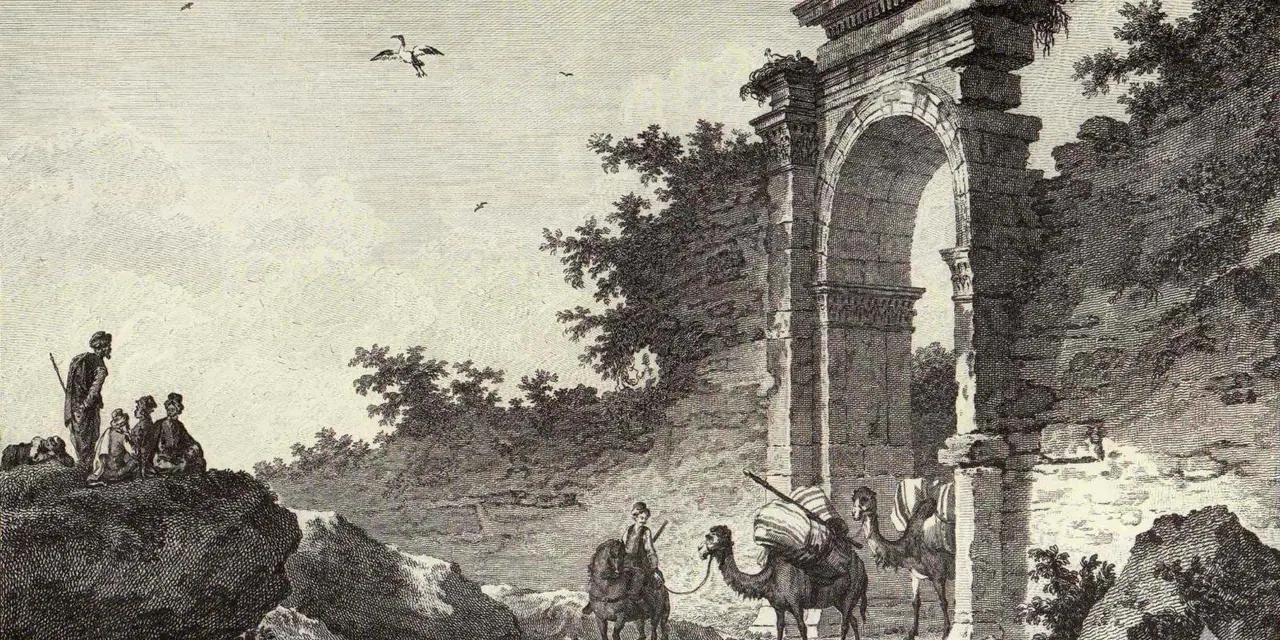
Milas, the ancestral capital of the Carian Hekatomnid kings, preserves millennia of urban heritage interwoven with everyday Aegean life. In the town center, the ancient arch of Baltalı Kapı (Milas) bears the royal double-axe emblem. Nearby at Uzunyuva, the monumental tomb of King Hekatomnos, with its peerless high-relief friezes, served as the direct precursor to the world-famous Mausoleum at Halicarnassus.
From Mylasa, processions climbed the eight-meter-wide stone Sacred Way for 14 kilometers into the crags of Labraunda. Here, spring-fed banquet halls and royal androns welcomed delegations before Zeus's altar. Descending from these pine heights brings you to coastal Halicarnassus. This threshold reveals the intimate architectural connection between capital city, royal sepulchre and mountain sanctuary.
Stops in this story
Paths opening from this story
- Continue from Mylasa to the harbour layers of Halicarnassus: From the monumental tomb of Hekatomnos in Mylasa to the Aegean shore, this journey follows how Carian kings transferred their royal capital to Bodrum's turquoise harbor.
Halikarnassos · Pergamon, Halicarnassus, Miletus: paths of knowledge
Sources
Frequently asked questions
How are the stops in this story connected?
From Mylasa to Labraunda: the threshold of city and mountain reads Milas, Uzunyuva, Baltalı Kapı, Labraunda, Halikarnassos together not as one mandatory itinerary, but through a shared region, period, landscape or sourced historical relationship.
Where can I see this story's sources?
The Sources section visibly lists the institutional and research links supporting this narrative. Current visitor information is added only when confirmed by a dated authoritative source.