
Colossae
At the northern foot of Mount Honaz beside the Aksu stream: ancient Phrygia's famed textile city of Colossae.
 Photograph unavailable
Denizli · Lycus Valley settlement
Between Mount Honaz and the Aksu
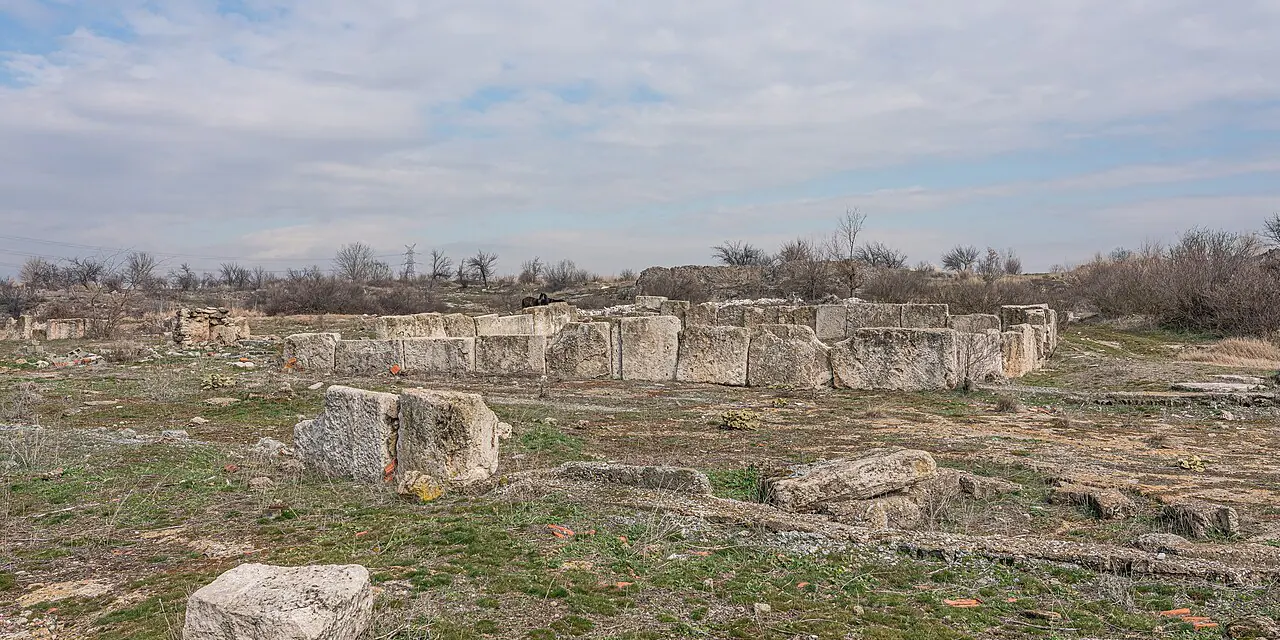
Colossae crowns an ancient tell nestled beside the rushing Aksu stream at the foot of Mount Cadmos (Honaz). Commanding the great southern royal highway, its alpine waters and fertile river terrace made it the premier early metropolis of the Lycus valley.
Wool capital of the Lycus valley
Celebrated by Herodotus and Xenophon as a magnificent Phrygian trade hub, Colossae was famed for 'colossinus', a prized purple-dyed wool spun in its workshops. While the Hellenistic founding of nearby Laodicea and Hierapolis shifted urban primacy, Colossae retained profound religious aura.
Rock-cut tombs and the acropolis
The remains of Colossae span an imposing acropolis mound and surrounding fields. Chamber tombs carved into the northern rock scarps, a hollowed theatre cavea and defensive walls whisper of treasures waiting to be unveiled by modern archaeology.
Paul's Epistle and Honaz cherry orchards
Immortalised in Christian scripture through the Apostle Paul's Epistle to the Colossians, ancient Colossae rests quietly amidst Honaz's prized cherry orchards. It enriches any journey through Laodicea and Tripolis.
Ancestral Phrygian root of the Lycus valley
With its acropolis mound framed by Mount Honaz, rock-hewn tombs and the rushing Aksu stream, Colossae is the ancestral Phrygian root of the Lycus basin alongside Laodicea and Hierapolis-Pamukkale.
Layers of the place
How is the place situated?
Colossae lies north of Mount Honaz, beside Aksu Stream and on the ancient south-eastern road. The acropolis mound and rock-cut chamber and house-type tombs to its north bring mountain, water, route, settlement and burial areas together within the Lycus Valley.
How do the layers change?
The official record describes Colossae's importance in the Persian period and its reduced urban weight after the foundation of Hierapolis and Laodikeia. This change does not mean the settlement ended at one instant; it shows regional importance being redistributed among cities over time.
How was the place inhabited?
Its position beside water and an ancient road makes movement and regional connection central to Colossae, while the mound and rock-cut tombs preserve different focuses of living and burial landscapes. The source supports this geography but does not establish one traceable ancient route today or an individual life story.
What can be said today?
Colossae's durable reading lies in the relationship among mountain, Aksu Stream, road, mound and tombs. Because dated institutional notices are required for current access, excavation and conservation, this dossier does not promise field conditions or a usable Colossae-Laodikeia-Hierapolis visitor route.
Connected stops
Sources
Frequently asked questions
Where is Colossae?
Colossae is presented in this guide as a lycus valley settlement in Denizli.
How can I find sources for Colossae?
The Sources section links to the evidence supporting this dossier.