
Birgi
At Ödemiş: a living fabric of street, mansion and mosque reaching from an Aydınoğlu capital to the present town.
 Photograph unavailable
İzmir · Historic urban fabric
A millennia-old foothill settlement
Nestled in a lush gorge on the southern slopes of Mount Tmolos (Bozdağ), Birgi has been continuously inhabited since Phrygian, Lydian, Roman and Byzantine times. Known in Byzantium as Pyrgion ('little tower'), its mountain springs and strategic shelf ensured its survival across millennia.
Capital of the Aydınoğulları
Elevated to the capital of the Aydınoğlu Beylik in the early fourteenth century by Mehmet Bey, Birgi flourished with masterpieces of Anatolian architecture. Completed in 1312, the Grand Mosque features a nail-less carved wooden minbar, turquoise tile mosaics and soaring cedar columns.
Çakırağa Mansion and wooden artistry
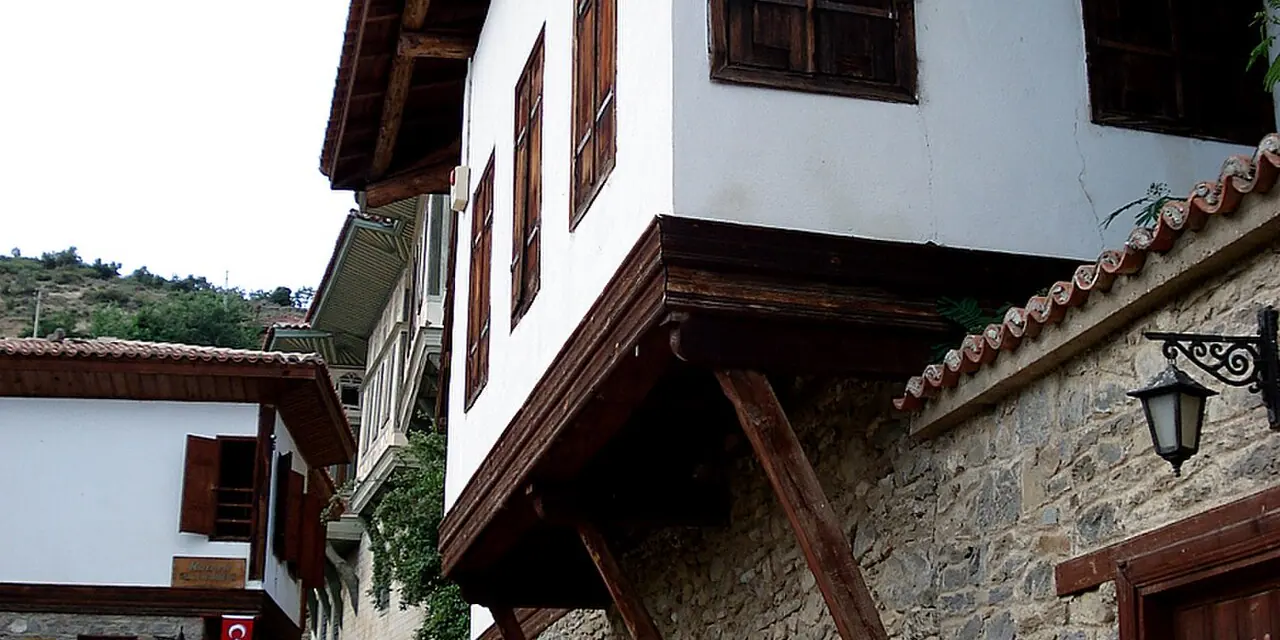
Lining Birgi's cobblestone alleys, timber-framed mansions with overhanging bay windows showcase Aegean vernacular architecture at its zenith. The 18th-century Çakırağa Mansion dazzles with frescoed panoramas of Istanbul and İzmir painted onto upper salon walls.
Living heritage under ancient plane trees
Recognised as a UNWTO Best Tourism Village and enshrined on UNESCO's Tentative List, Birgi preserves a harmonious community life framed by cobblestone streets, local silk weaving and chestnut groves. It is an unmissable detour crossing Mount Tmolos toward Sardis.
A living Turkish-Islamic heritage town
With its 14th-century Grand Mosque, sumptuously painted Çakırağa Mansion and centuries-old plane trees at the foot of Mount Bozdağ, Birgi is a living open-air museum bridging Sardis and the fertile Cayster valley.
Connected stops
Stories that include this stop
Sources
Frequently asked questions
Where is Birgi?
Birgi is presented in this guide as a historic urban fabric in İzmir.
How can I find sources for Birgi?
The Sources section links to the evidence supporting this dossier.