
Ayazini
Ayazini, where ancient burials, Byzantine worship and a living village meet in the tuff rocks of the Phrygian Valley.
 Photograph unavailable
Afyonkarahisar · Rock-cut settlement
A settlement made possible by workable tuff
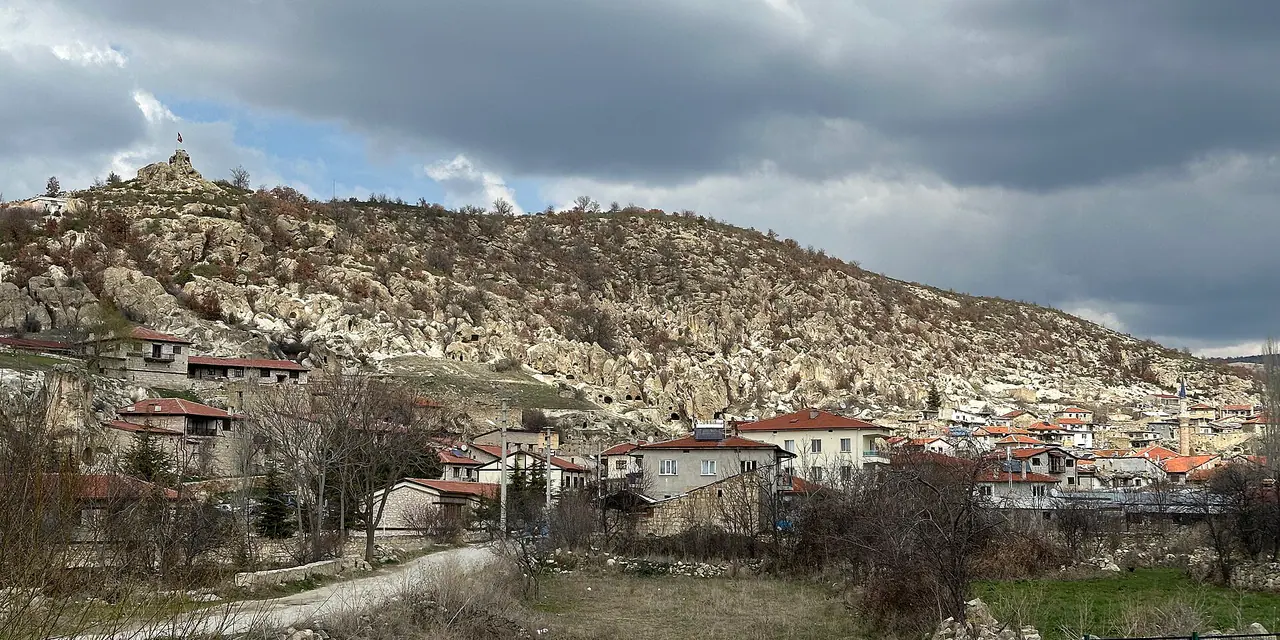
Ayazini is an astonishing troglodytic village in the Phrygian Valley, where volcanic tuff cliffs were sculpted into monumental lion-relief tombs, multi-storey rock dwellings and churches.
From Phrygians to a Byzantine bishopric
Originally a Phrygian sacred rock sanctuary, Ayazini expanded in Roman and Byzantine eras into Metropolis, becoming an influential regional bishopric.
From rock-cut home to village street
Multi-level rock-carved chambers, cellars and animal stables stand directly beside modern stone village houses, sustaining living community life across centuries.
Rock-cut cathedral and the Phrygian Way
With its awe-inspiring rock-cut domed church and carved tombs, Ayazini anchors the Phrygian Way walking trails between Phrygian Valley and Aizanoi.
Living Phrygian rock village
Carved into soft volcanic tuff in Afyonkarahisar's İhsaniye district, Ayazini seamlessly blends Phrygian rock tombs, a Byzantine rock cathedral and contemporary village life into an enchanting scene. Anchored to the Phrygian Valley and Aizanoi, it offers one of Anatolia's most memorable heritage experiences.
Layers of the place
How is the place situated?
Ayazini's primary ground is easily worked tuff. Burial chambers, churches, rock-cut dwellings and Avdalaz Castle show the material used in different ways for burial, worship, habitation and defence, while old and new settlement areas stand side by side within the village.
How do the layers change?
The official record describes use since the Phrygian period and identifies Roman, Byzantine, Seljuk and Ottoman layers. This long sequence suggests that rock surfaces could be reworked or used differently over time; the source does not assign an exact date to every structure.
How was the place inhabited?
Rock-cut tombs, churches, living spaces and the castle are distinct traces of needs related to death, belief, everyday life and protection being met around the same natural material. These functions are not reduced to one community or an uninterrupted form of use.
What can be said today?
At Ayazini the archaeological layers cannot be separated from the living village fabric; old and new settlement areas remain visible together. The official record does not provide current access or conservation conditions for every structure or one route condition for the whole Phrygian Valley, so field information requires separate verification.
Connected stops
Stories that include this stop
Sources
Frequently asked questions
Where is Ayazini?
Ayazini is presented in this guide as a rock-cut settlement in Afyonkarahisar.
How can I find sources for Ayazini?
The Sources section links to the evidence supporting this dossier.