
 Photograph unavailable
Phrygia written in stone
Story in brief
Place, time and memory on one line.
From Aizanoi to the Phrygian Valley, how a rocky ground shaped cities and belief.
Across the volcanic highlands of the Inner Aegean, stone is not merely inert bedrock; it is a sacred canvas sculpted across millennia by worshippers and builders. At Aizanoi beside the Penkalas River in Çavdarhisar, Anatolia's most intact Temple of Zeus rises alongside a combined stadium-theater complex, transporting imperial Roman grandeur to the steppe. Beneath the cella, a subterranean vaulted chamber dedicated to Cybele reveals how ancient earth deities merged with the Olympian heavens.
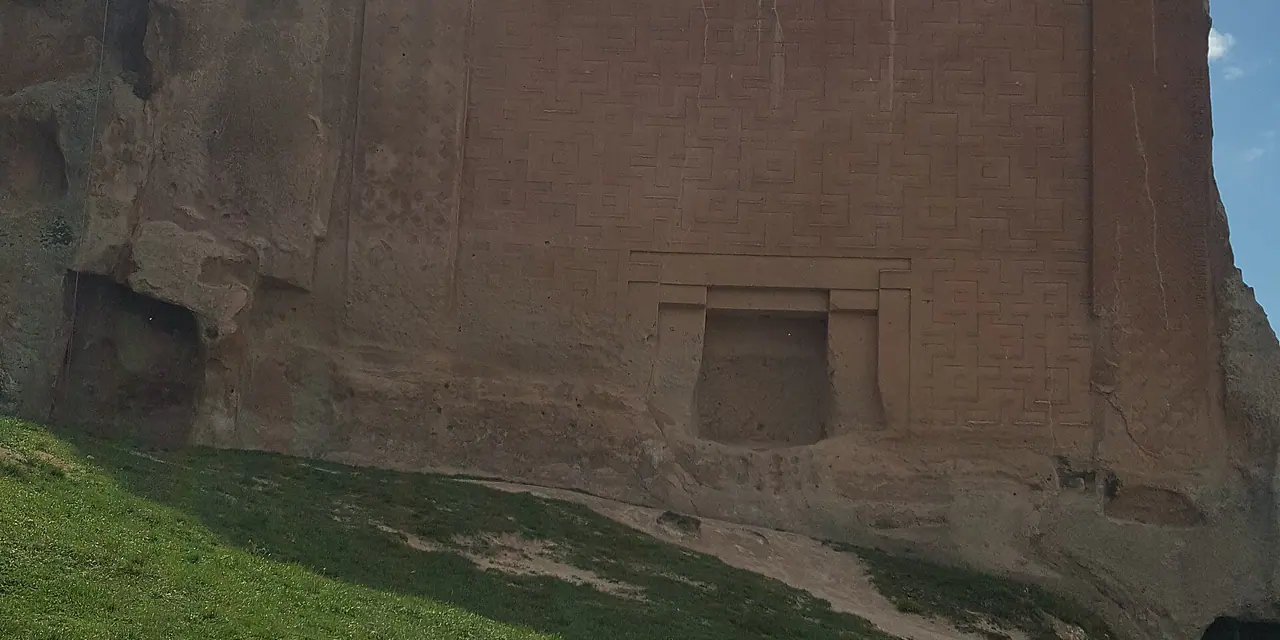
Travelling east toward Afyonkarahisar, white marble yields to soft volcanic tuff. Within the enchanted canyons of the Phrygian Valley, the troglodytic settlement of Ayazini reveals multi-story rock-cut dwellings, lion-relief tombs and a monumental Byzantine basilica standing door-to-door with living village houses. Phrygia's rock heritage is a timeless dialogue between human hands and sacred topography.
Stops in this story
Sources
Frequently asked questions
How are the stops in this story connected?
Phrygia written in stone reads Aizanoi, Çavdarhisar, Frig Vadisi, Ayazini, Yazılıkaya, Afyonkarahisar together not as one mandatory itinerary, but through a shared region, period, landscape or sourced historical relationship.
Where can I see this story's sources?
The Sources section visibly lists the institutional and research links supporting this narrative. Current visitor information is added only when confirmed by a dated authoritative source.