
 Photograph unavailable
Three thresholds of Gediz: Sardis, Kula and Alaşehir
Story in brief
Place, time and memory on one line.
A comparison of Sardis, the Lydian capital, Bin Tepe’s royal-cemetery landscape, Kula’s geological time, and Philadelphia’s Roman and Byzantine urban layers.
Story layers
What does this story connect?
In 2025, Sardes and Bin Tepeler entered the World Heritage List, bringing a Lydian capital and its royal cemetery landscape into one frame. Kula’s volcanic ground and Philadelphia’s urban history in Alaşehir open two other timescales within the Gediz basin.
The story line
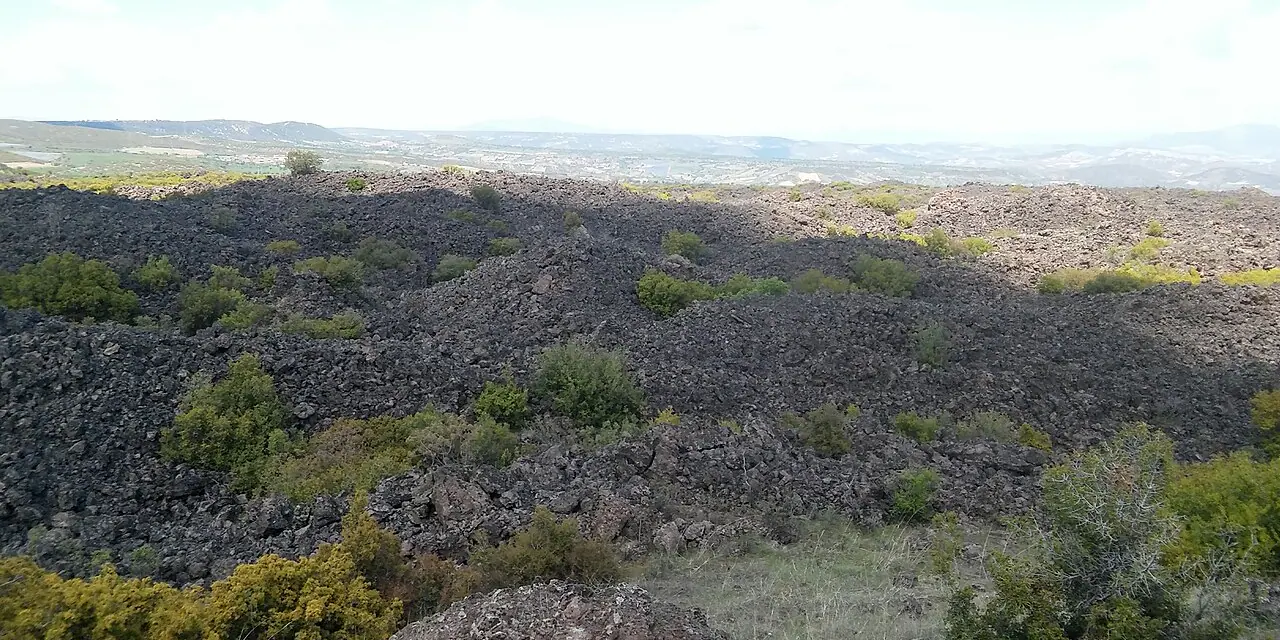
At Sardes, the city was the Iron Age capital of Lydia; Bin Tepeler, to its north, forms the associated royal cemetery context. The Kula-Salihli UNESCO Global Geopark brings the Kula volcanic field, Bozdağ Mountains and Gediz Graben into one geological frame. UNESCO dates three volcanic phases to about 1.1 million, 300,000 and 15,000 years ago, extending the basin’s story from royal burial landscapes into geological time.
Where does it pass?
At Philadelphia, the city’s name recalls Attalos II Philadelphos. Toptepe marks the urban center; Gevurtepe preserves protohistoric traces. Roman and Byzantine layers include the city walls, East Gate and St Jean Church. The Alaşehir settlement holds its own urban sequence beside the Lydian capital and royal cemetery at Sardes and Bin Tepeler.
The link to today
Sardes and Bin Tepeler now share a World Heritage listing; Kula-Salihli is a UNESCO Global Geopark. The designations hold different scales: a Lydian capital and royal cemetery in one landscape, a broad volcanic region in the other. Philadelphia adds another urban sequence to the basin’s picture.
Stops in this story
Sources
Frequently asked questions
How are the stops in this story connected?
Three thresholds of Gediz: Sardis, Kula and Alaşehir reads Sardis, Bin Tepe, Kula-Salihli UNESCO Global Geopark, Philadelphia (Alaşehir) together not as one mandatory itinerary, but through a shared region, period, landscape or sourced historical relationship.
Where can I see this story's sources?
The Sources section visibly lists the institutional and research links supporting this narrative. Current visitor information is added only when confirmed by a dated authoritative source.