
Sebaste (Selçikler)
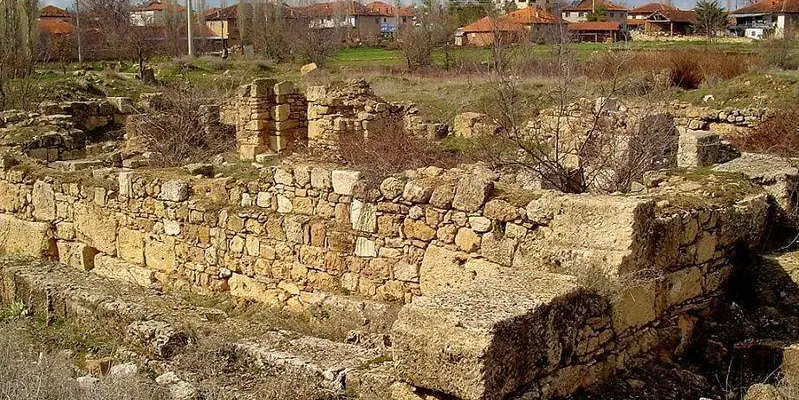
Quiet stone layers of Roman Sebaste and an early Christian episcopal seat at Selçikler near Sivaslı.
 Photograph unavailable
Uşak · Roman and Byzantine settlement
An ancient threshold in Sivaslı vineyards
Sebaste rests among the vineyards of Selçikler village, southwest of Sivaslı in Uşak. Reaching from the Chalcolithic through Hittite, Luwian and Phrygian worlds, its soil reveals that vibrant life pulsed through this Inner Aegean corridor millennia before Augustus gave the Roman city his name.
One of Augustus's twelve cities
Founded around 20 BCE, Sebaste quickly ranked among the region's twelve pre-eminent cities. Connecting trade and post roads between Blaundos and Aizanoi, its northern gate, fortifications, Ionic temple, stadium and thermal baths showcase the thriving public civic life of imperial Rome.
Episcopal centre and monumental basilicas
Evolving into an episcopal centre by the ninth century, Sebaste gained profound Christian heritage where ancient temple spolia enriched grand basilicas. Remains of two monumental churches illustrate how pagan Roman civic spaces were seamlessly transformed into places of communal worship.
Inner Aegean peace beneath walnut groves
Today, church apses and ancient tumuli rising beneath venerable walnut trees around Selçikler embody the serene depth of Inner Anatolia. It serves as an evocative quiet threshold linking explorations of Ulubey Canyon and the Phrygian Valley.
Uşak's rich rural archaeology
Together with the gorges of Blaundos and monumental Aizanoi, Sebaste demonstrates that the Inner Aegean is defined not only by sprawling metropolises, but by rural sanctuaries, sacred valleys and quiet provincial transitions.
Connected stops
Sources
Frequently asked questions
Where is Sebaste (Selçikler)?
Sebaste (Selçikler) is presented in this guide as a roman and byzantine settlement in Uşak.
How can I find sources for Sebaste (Selçikler)?
The Sources section links to the evidence supporting this dossier.