
 Photograph unavailable
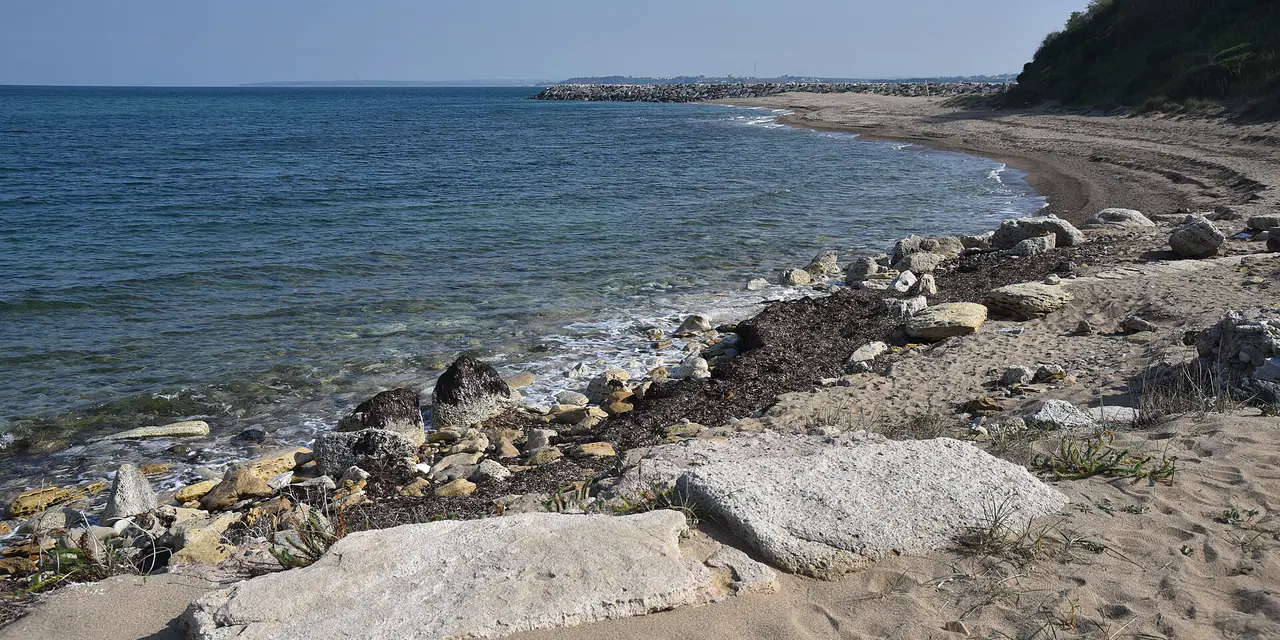
Alexandria Troas Harbour: A Shore Open to the West
Dossier in brief
Place, time and memory in one narrative.
Alexandria Troas’s Roman harbour, with outer and inner basins, linked the Dardanelles route with sea lanes stretching west. The city’s changing names, its aqueduct, and the account of Paul’s journey reveal different periods along the same coast.
Historical event · 310 BCE — 2nd century CE · Culture and memory · A link to today · deniz-doga
The Narrow Passage for Ships
A 36-metre entrance connected the outer and inner basins of the harbour at Alexandria Troas. Ships could anchor in the outer harbour, protected by the north and south breakwaters, before entering the long rectangular inner basin. Here, the north–south sea route toward the Dardanelles met westbound routes to Thrace and Greece.
From Antigoneia to Alexandria Troas
The city behind the harbour was first called Antigoneia. Antigonos Monophthalmos founded the settlement shortly after 310 BCE; in 301/300 BCE Lysimachus gave it the name Alexandria Troas. It remains unclear whether this was an entirely new city or the renaming of an existing settlement. The coast’s two names carry the shifting powers of the Hellenistic period.
Sea Routes and Water for the City
Life in the Roman city depended on more than maritime connections. An aqueduct built with support from Herodes Atticus relieved the city’s water shortage. Water infrastructure and baths bring another need behind the harbour into view: the city that received ships also had to bring water to its inhabitants.
Paul’s Journey West
In Acts 16:8–11, Troas is a stop on Paul’s journey toward Macedonia. The text recounts that, after a vision there, the group prepared for the journey and set sail from Troas. The harbour’s stone structures show the arrangement of maritime travel, while this Christian text leaves the coast with a story of a traveller changing direction.
Periods
- Roman era