
 Photograph unavailable
The Battle of Mycale: The Fleet Beached
Dossier in brief
Place, time and memory in one narrative.
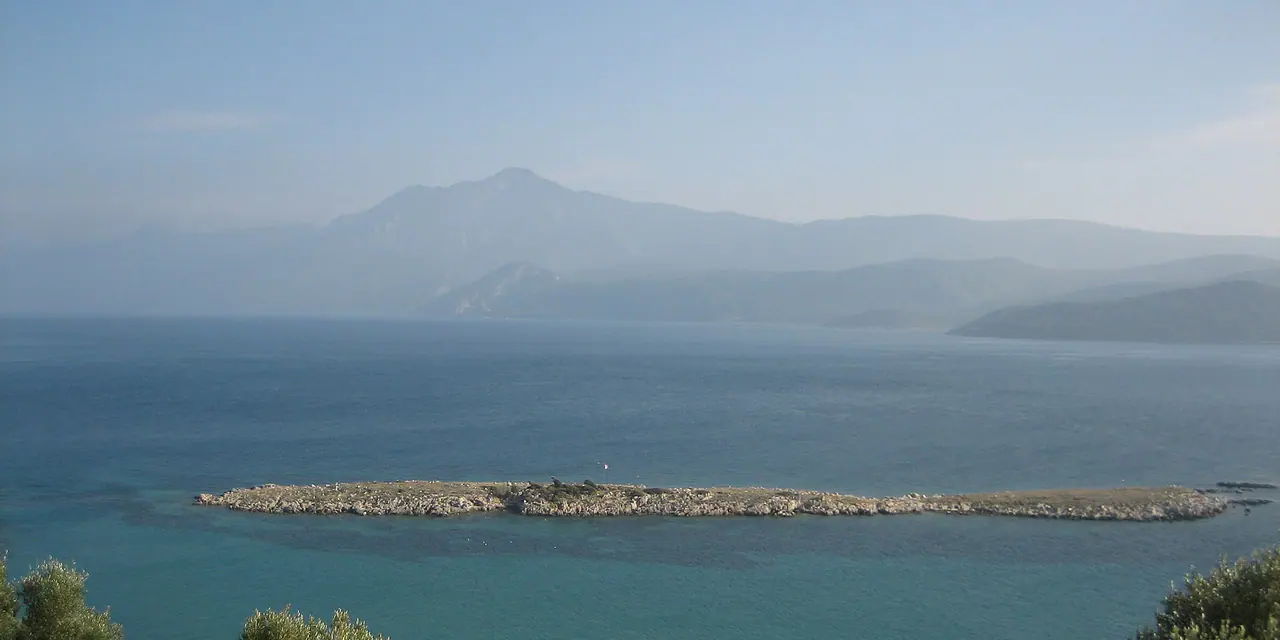
In 479 BCE, the Persian fleet drawn up on the shore opposite Samos came under a land attack. In Herodotus’s account, Samian, Ionian and Milesian contingents changing sides are an important part of the clash.
Historical event · 479 BCE · deniz-doga
A Defensive Line Around the Ships
The Persian ships had been drawn up on the shore at Mycale rather than fight at sea. Herodotus recounts that the commanders enclosed them with stones, tree trunks and stakes. In 479 BCE, the Greek allies landed on this coast opposite Samos and attacked the defensive line. The operation, begun for a clash between fleets, became a land battle around the ships.
Disarmed Soldiers Change Sides
Herodotus’s account begins with Samian envoys appealing to the allies at Delos. Before the clash, the Persians disarmed the Samian soldiers; even so, the Samians helped the Greeks during the fighting. Other Ionians followed their example and turned against the Persians. The Milesians, assigned to guard the mountain passes, directed the fleeing Persians onto routes leading toward their enemies and attacked them themselves.
From the Coast to the Mountain Passes
Herodotus says the ships were drawn up near Gaeson and Scolopois, on a shore where a sanctuary of Eleusinian Demeter stood. These ancient names frame the account’s geography; they do not give a precise modern battlefield point. In Herodotus’s narrative, the fighting extends from the defensive line around the ships to the slopes of Mycale, where the escape routes passed.
From Burning Ships to the Siege of Sestos
According to Herodotus, the ships and defensive wall were burned. The allies who returned to Samos admitted some island communities to their alliance. Thucydides then reports that the Peloponnesian forces returned with Leotychides. For the Athenians and the Ionian and Hellespontine allies, the campaign continued: they kept besieging Sestos.
Periods
- Ionia & Aeolis