
 Photograph unavailable
Klazomenai olive-oil workshop and Limantepe coastal context
Reading the place
Not one monument, but a layered setting.
The Klazomenai workshop and Limantepe's harbour traces bring production and the movement of goods into one reading of the Urla İskele coast.
İzmir · urla
Place
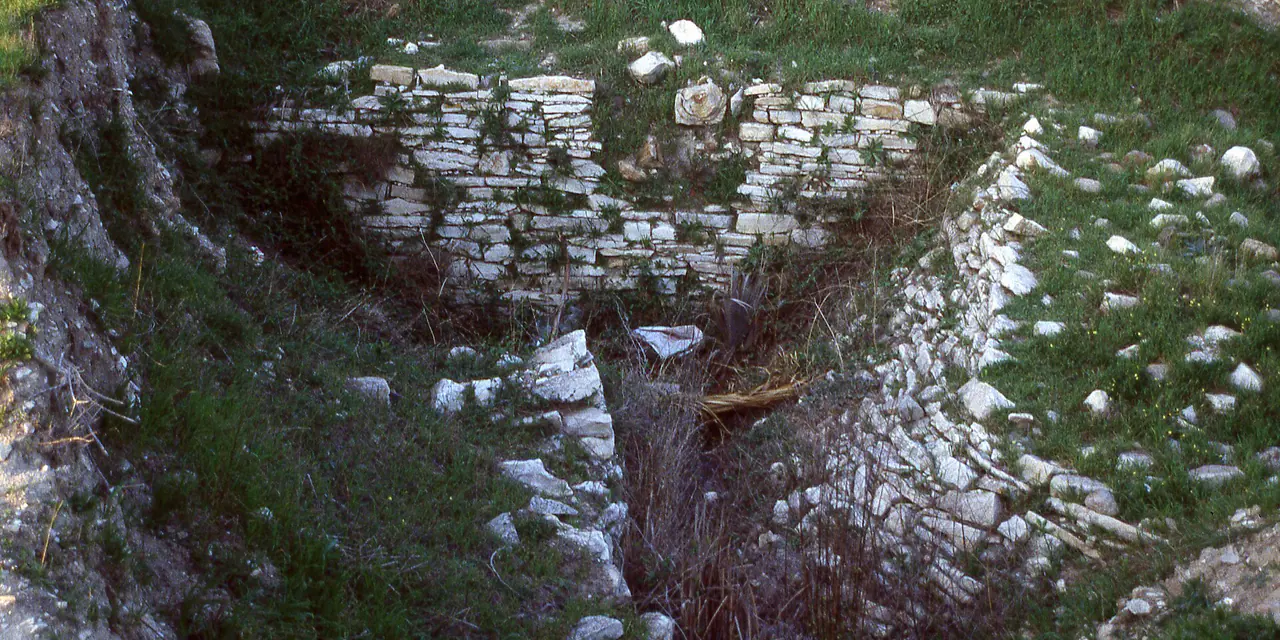
The workshop stands in the area known as Hamdi Balaban Field; nearby Limantepe faces Karantina Island. Klazomenian amphorae stored and transported oil and wine, bringing container-making into the production story. Limantepe's submerged harbour traces open another view of the coast and its journeys.
Time
The workshop was founded in the first half of the sixth century BCE and abandoned around mid-century. Rearranged in the final quarter, it was used until about 500 BCE. Limantepe's sixth- and fourth-century BCE harbour remains follow a separate chronology; they do not identify the route taken by an individual cargo of oil.
Community
Finds at Klazomenai suggest production beyond household needs. Storing and transporting oil required knowledge as well as extracting it. Reading the press alongside the amphora reveals complementary work within the city: olives were processed, then the product was prepared for circulation.
Today
Urla's olive groves and the Bademler cooperative's oil mill offer a present-day view of production. We can consider how the tools changed without drawing an uninterrupted technological line from workshop to table. [The story leading to the Urla table](/en/anlati/story-klazomenai-urla-olive-from-workshop-to-table) continues this reading of two times of labour.
Periods
- Ionia & Aeolis
- klasik
- Hellenistic era
- The Aegean today