
 Photograph unavailable
From the Klazomenai workshop to the Urla table
Dossier in brief
Place, time and memory in one narrative.
From Klazomenai's workshop to Urla's olive groves: a product rooted in one landscape, made with tools and working arrangements that changed over time.
Long-form story · Sixth century BCE — present · Table and production · A link to today · deniz-doga
Narrative
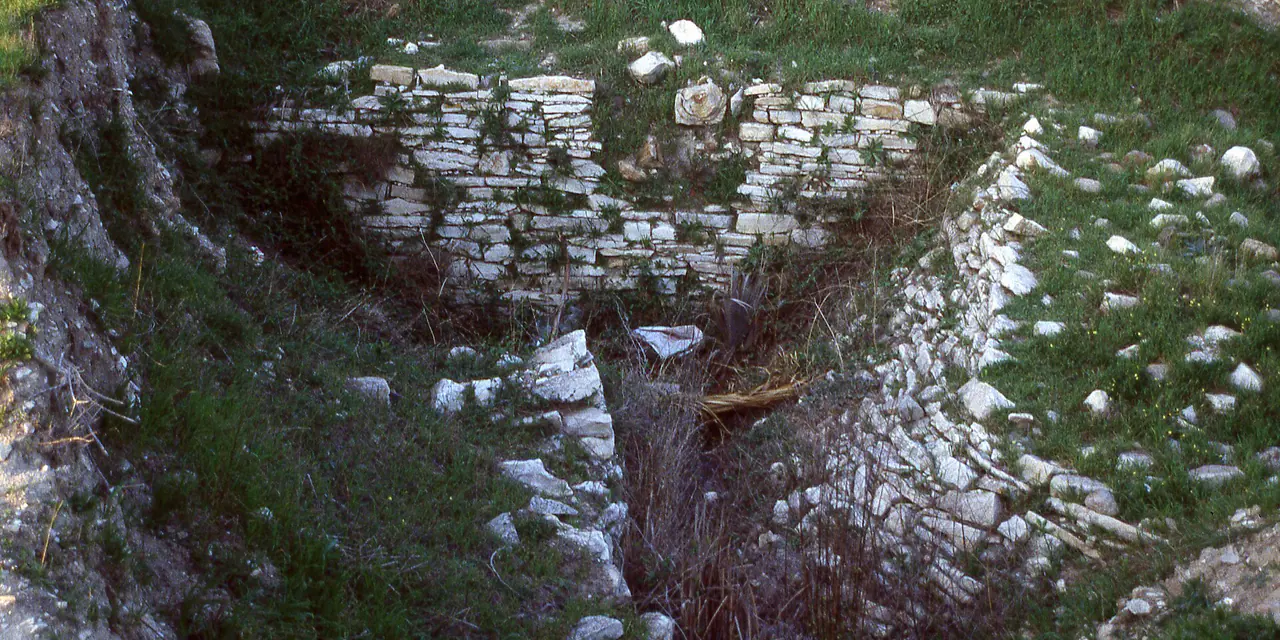
Behind the olive oil on a table stands more than an olive tree. Processing the fruit, storing the product and bringing it to others also take work. At Urla İskele, the [Klazomenai workshop](/en/place/klazomenai) opens that story in the sixth century BCE. Present-day production in Urla answers the same practical questions with different tools.
Sequence
Established in the first half of the sixth century BCE, the workshop was abandoned around mid-century and rearranged in its final quarter. Its use ended around 500 BCE. Klazomenian amphorae stored and transported oil and wine, connecting production with other work in the city. Making the oil and preparing its container belonged together.
Stops
[The workshop and Limantepe coast](/en/envanter/izmir-urla-klazomenai-olive-workshop-harbour-and-table) bring production close to harbour traces. Sixth- and fourth-century BCE structures investigated underwater reveal the coast's changing uses. [Klazomenai's urban layers](/en/place/klazomenai) place the workshop within a longer history. We can consider a landscape of circulation without claiming the route of any individual amphora.
Present-day link
Urla's olive groves and the Bademler cooperative's oil mill give production a present-day scale. The Producer Market opened at Uzunkuyu in 2025 gave 23 producers from western villages a place to sell their own products directly. These arrangements can be read together without treating them as a continuation of the ancient workshop. The work behind a product on the table comes a little closer.
Narrative stops
The route of this narrative connects with surrounding districts and historical stops.